
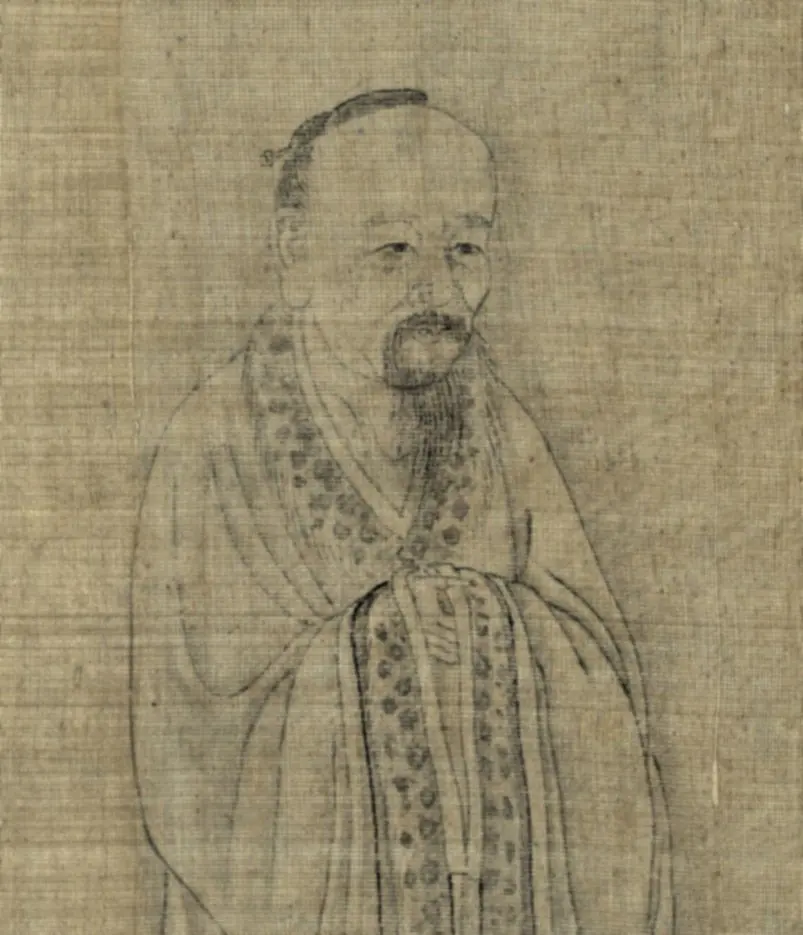
Zhuangzi
369–286 BC 4 entries
Biography
Zhuangzi, “Master Zhuang”, whose name was Zhuang Zhou, was a Chinese philosopher of the fourth century BC and, after Laozi, the greatest thinker of Taoism. He was born around 369 BC in the state of Song, in today’s Henan, and for a time was a minor official in charge of a lacquer-tree garden at Meng. His book tells that when the king of Chu offered him the government of his state, he refused, saying he would rather drag his tail in the mud like a living turtle than be kept as a sacred shell in a temple.
The book that bears his name, whose first seven chapters are thought to be his own work, teaches through stories, parables and paradoxes that the world is in constant change, that our distinctions between right and wrong, life and death, are only points of view, and that wisdom lies in following the Tao freely and spontaneously. Its best-known story is the butterfly dream, after which Zhuang Zhou wakes no longer sure whether he is a man who dreamed he was a butterfly or a butterfly dreaming it is a man. He died around 286 BC.
- Quotes 4